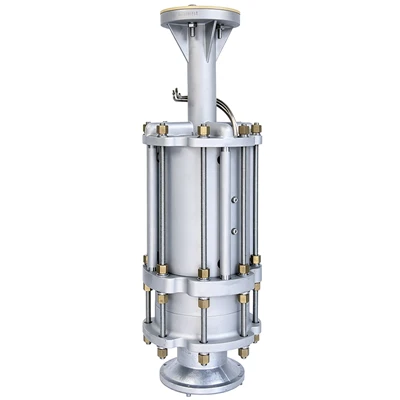
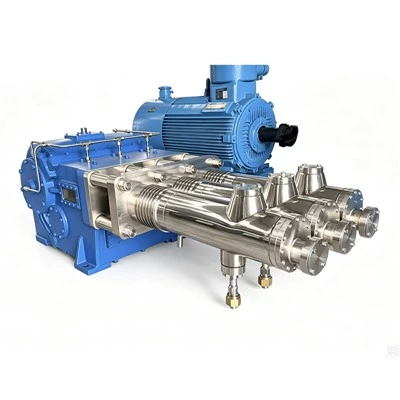
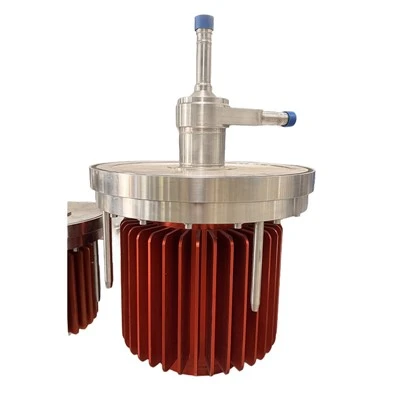
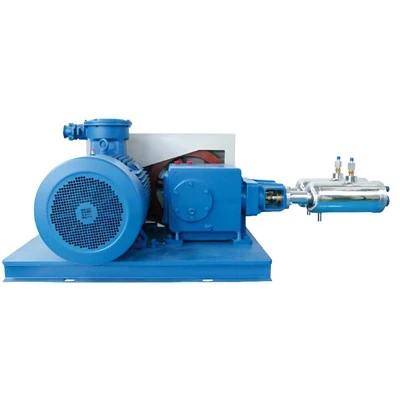
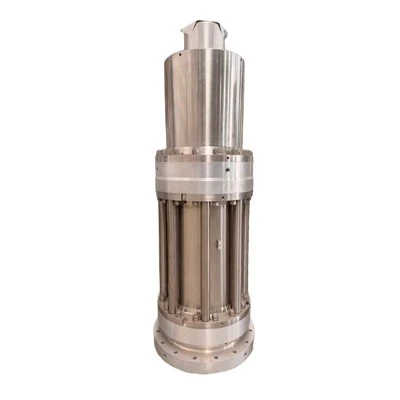
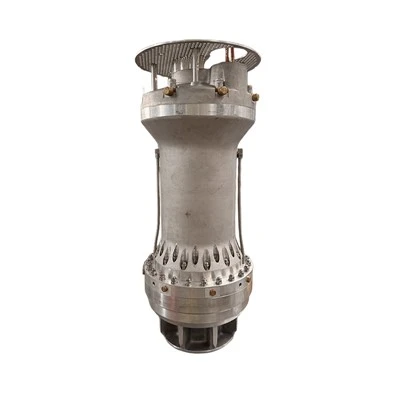
If you’ve ever worked with LNG (liquefied natural gas) for any length of time, you know how unforgiving high-pressure systems can be. That’s doubly true for high pressure LNG pumps—these workhorses are the backbone of moving chilled, volatile LNG from storage tanks to processing plants, fuel stations, or export lines, and if they conk out unexpectedly, you’re looking at costly downtime, safety risks, and missed delivery windows. As a high pressure LNG pump supplier, I get asked this question all the time: “How often do I actually need to service this thing?” The short answer isn’t one-size-fits-all, but let’s break it down with real-world context, industry data, and what we’ve learned from working with hundreds of operators over the years.
First, let’s ground this in why LNG pumps are so different from other industrial pumps. LNG is stored at around -260°F (-162°C), right? That extreme cryogenic temperature plays havoc with every part inside the pump—the seals, the bearings, the impellers. Unlike, say, a regular water pump that runs at room temp, these parts expand and contract every time you shut down and start back up, creating tiny gaps and wear over time. Add the high pressure we’re talking about (usually 1,500 psi and up for most high-pressure LNG applications) and you’ve got a recipe for accelerated degradation if you skip maintenance.
I’ve seen operators make two common mistakes here: either they wait way too long to service, guessing based on “it’s still running so it’s fine,” or they over-schedule maintenance on a rigid timeline that wastes money and interrupts production. Neither is ideal. Let’s talk about the factors that actually determine service frequency, because that’s where people get confused.
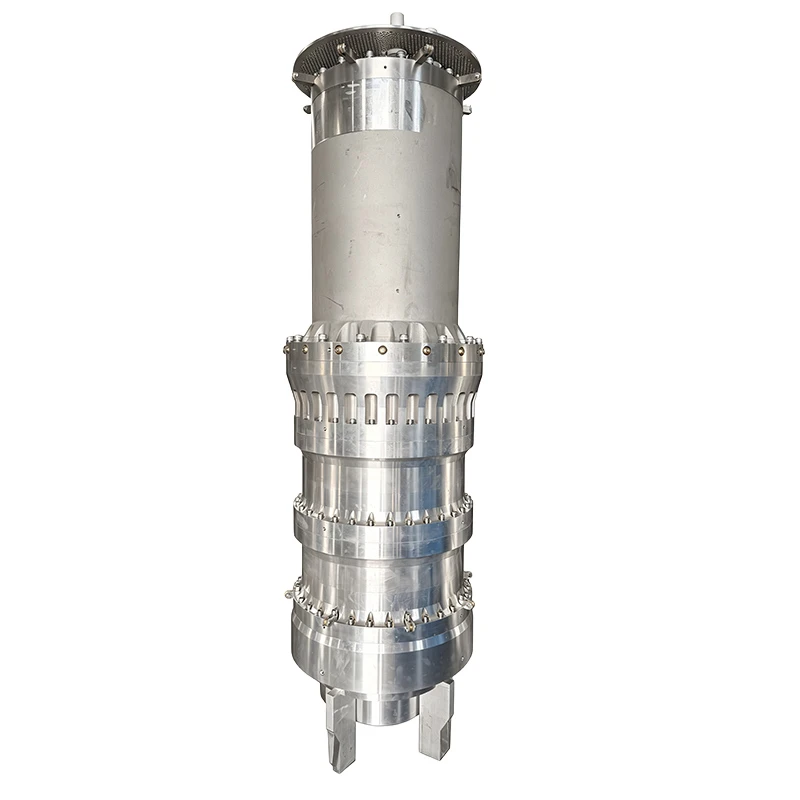
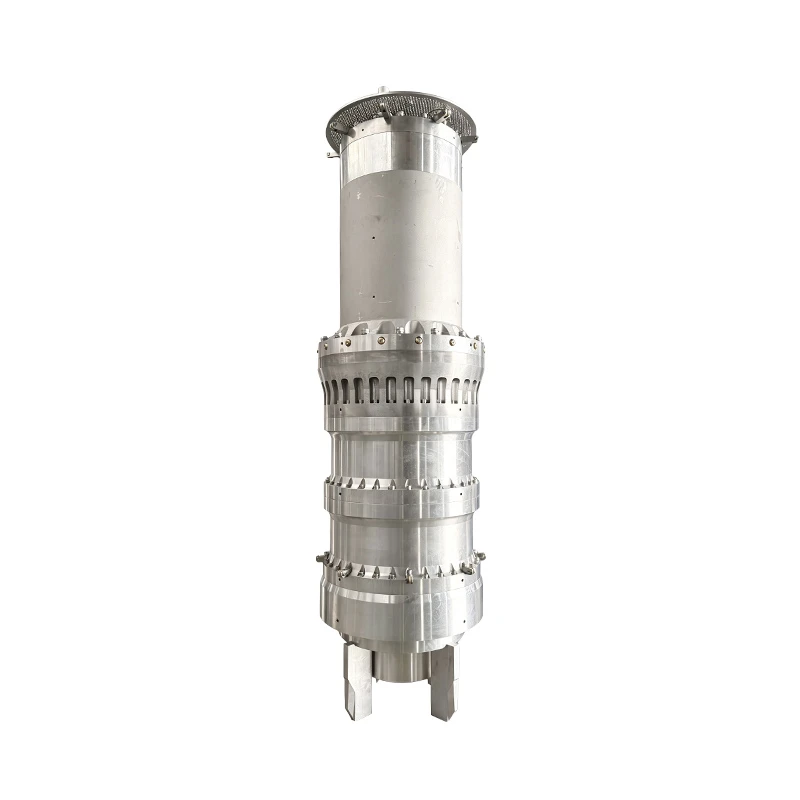
First up: duty cycle. This is the biggest one by far. A pump running 24/7 at a base load (like in a permanent LNG storage and transfer terminal) is going to need service way more often than one that only runs a few times a month, maybe during peak fuel demand for a local power plant. From our data at AB, we’ve tracked that continuous-operation high pressure LNG pumps typically need major service (full tear-down, seal replacement, bearing overhaul) every 12 to 18 months. If that pump sees frequent start-stop cycles—like if it’s used for backup transfer when a line goes down—we bump that to every 8 to 12 months, because every start up at cryo temps puts extra stress on the components.
What about if you’re running a pump for a smaller application, like a satellite LNG fuel station that only uses its pump a few times a week? I’ve had customers with setups like that go 3 years between full services, as long as they keep up with weekly and monthly check-ins. But even then, you can’t just ignore it—cryogenic systems have a way of hiding problems until they’re catastrophic.
Next, the environment and fluid specifics. Wait, LNG is mostly methane, right? But sometimes there are impurities: small amounts of water, nitrogen, or even residual hydrocarbons that can condense in the pump and cause corrosion or abrasion. If you’re handling LNG with higher levels of contaminants, that grit will wear on impellers and seals faster, so service intervals need to be cut short—maybe to 9 to 12 months even for moderate-duty pumps. Also, if your facility is in a harsh climate, like a cold coastal area with salty air, that can seep into the pump’s external parts and affect performance too.
Oh, and let’s not compare apples to oranges here. I get that some operators might cross-check service intervals for other types of high-pressure pumps, but LNG is unique. For example, a high pressure ammonia pump handles a different, less temperature-sensitive fluid, so its service timeline is totally different. If you mix up those timelines, you’re asking for trouble. Same with high pressure cryogenic pumps for other liquids, like liquid oxygen—they have their own maintenance rules, so don’t just grab a generic schedule online. And high pressure multistage centrifugal pumps? Those are great for water or other non-cryo fluids, but the pressure and temperature factors for LNG multistage units change everything.
Now, what’s the actual service process, and how often do you need the small stuff vs. full overhauls? A lot of people lump all maintenance into “service,” but there’s routine upkeep vs. major work. Routine checks should happen every 1 to 3 months, depending on duty. These are the quick, non-disruptive things: checking seal pressure, monitoring pump vibration (we recommend using basic vibration sensors here—even a $500 unit can catch bearing wear before it fails), verifying LNG flow rates, and checking for any tiny leaks at the connections. I can’t tell you how many times a customer called us panicking because their pump seized, only for us to look back and see their last vibration check was 6 months prior—they could’ve fixed a $200 bearing seal for way less than the downtime cost.
Then there’s mid-level service, every 6 to 9 months for most pumps. That’s when you pull the pump slightly apart, replace the internal gaskets, inspect the impeller for buildup, and test the seal’s cryogenic performance. You don’t have to take the entire pump offline for this, just access the front components. And the big-ticket full service I mentioned earlier, the one that takes the pump out of service for a few days, that’s every 12 to 18 months for continuous run pumps. This is when you replace the primary seals, overhaul the bearings, resurface the impeller if needed, and calibrate the pressure controls.
Wait, but what about warranty stuff? A lot of operators forget that if you skip recommended service intervals, you can void your pump’s warranty. I’ve had customers come to us after they tried to cut corners, and their pump failed 10 months in, and we couldn’t cover it because their last service log was 2 years old. It’s not just a cost thing—it’s a risk thing too, especially for LNG, which is flammable. A leak from a worn seal isn’t just a pump problem; it’s a safety hazard for your whole facility.
I also want to mention that newer pumps have a big advantage here: predictive maintenance tech. Our high pressure LNG pumps come with built-in sensors that track vibration, temperature, and pressure in real time, so you don’t have to guess when service is needed. If the sensor picks up a small shift in vibration, it’ll alert you to service in 2 months, not 6. That’s a game-changer compared to the old “run until it breaks” approach. We’ve seen customers with our smart pumps cut their service costs by 30% because they only do work when the data says it’s needed, not on a rigid schedule.
Let me throw in a real example to make this concrete. Last year, we worked with a LNG terminal in the Gulf Coast that had two high pressure LNG pumps in their main transfer line. Their first pump was a legacy model, no sensors, running 24/7, and they were servicing it every 18 months. Last time they did that, it failed 3 months after service because of a bad seal that the tech missed, costing them $120k in downtime. Then they upgraded to our smart high pressure LNG pump, and their predictive alerts told them they needed minor seal maintenance at 11 months, not 18. They did it during a scheduled production lull, and so far, 18 months in, no issues. The other pump they kept running on the old schedule, and they just had a small leak that shut down one line for 4 hours—no injuries, but still a hassle.
So what should you do right now to figure out your pump’s service frequency? First, pull up your pump’s manual—follow the base recommendations, then adjust for your duty cycle. If you’re running in a dusty, contaminated environment, shorten intervals by 25%. If you have a smart pump with monitoring data, use that instead of generic timelines. Keep detailed service logs—write down every check, every part replaced, every alert you got. That not only helps you plan future service, but it’s crucial if you ever need to use your warranty.
I know maintenance feels like a hassle, especially when production is humming along and you don’t want to take a line offline. But here’s the cold, hard truth: unplanned downtime for a high-pressure LNG pump costs way more than scheduled service. Last I checked, the average cost per hour of LNG terminal downtime is around $20k—so taking a pump offline for 2 days for a service is a drop in the bucket compared to losing $320k in a day because it breaks unexpectedly.
Wait, let’s circle back to those other pump types I mentioned earlier, just to make sure you don’t mix them up. If you’re working with ammonia, that’s a different fluid entirely—corrosive, high pressure, so service intervals for a high pressure ammonia pump are a bit different than LNG. Same with high pressure cryogenic pumps for other liquids, they have their own unique needs. And multistage pumps for non-cryo? Don’t apply LNG service rules there, they’re built for different pressures and temperatures. That’s why it’s always best to check with a supplier who specializes in high-pressure pumps for your specific fluid.
At AB, we don’t just sell pumps—we work with our customers to build custom maintenance plans, not just generic timelines. We’ll take your duty cycle, your environment, your existing maintenance logs, and even your budget to create a service schedule that works for you, not against you. We also offer parts and service 24/7, so if you do have an issue, we’re there fast to minimize downtime.
So to wrap this up: there’s no magic number for how often to service a high pressure LNG pump, but the sweet spot for most operators is 8 to 12 months for pumps running frequently, 12 to 18 months for continuous base load, and 2 to 3 years for low-use pumps. Routine checks every 1 to 3 months, minor service every 6, full service every year and a half. Always adjust for contaminants, duty cycle, and use data (not guesses) if you have smart pumps. And don’t forget—this applies specifically to LNG pumps; don’t use the same timeline for high pressure ammonia pumps, high pressure cryogenic pumps, or high pressure multistage centrifugal pumps.
If you’re tired of guessing when to service your high pressure LNG pump, or you’re looking for a reliable pump that’s built to last with minimal downtime, we can help. We’ll walk you through your options, answer any questions you have about maintenance plans, and make sure you’ve got the setup that works for your facility. Reach out to our team today to get started.
References:
- Global LNG Industry Maintenance Report, 2023, International Gas Union
- Cryogenic Pump Design and Maintenance Guidelines, American Petroleum Institute (API Standard 610)
- Field Performance Data for High Pressure LNG Pumps, AB Pump Internal Technical Report, 2022
- Predictive Maintenance ROI for Industrial Pumps, Industrial Maintenance and Operations Magazine, 2024