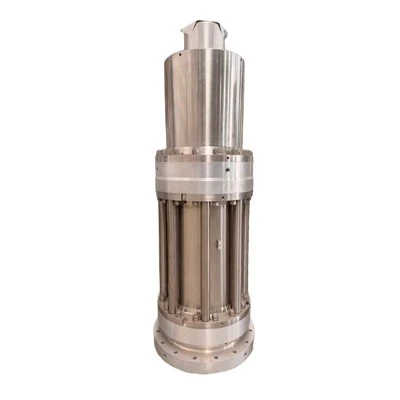
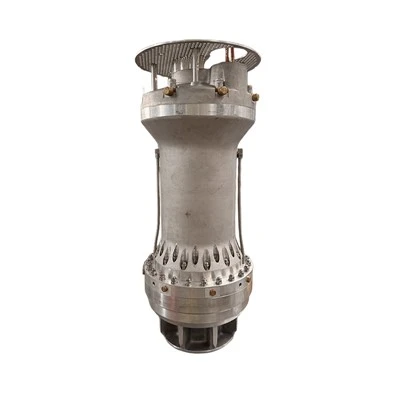
Hey there, thanks for swinging by! If you’re in the market for a liquid ammonia filling pump, you’re probably not just looking for something that moves the stuff around—you need something that’s safe, compliant, and won’t leave you dealing with headaches (or worse) down the line. I’ve been in the pump game for years, supplying all kinds of cryo and specialty filling gear, so I’ve seen firsthand what happens when someone skips the right certifications for liquid ammonia equipment. Let’s break this down straight, no fancy jargon, just the real deal on what those pumps actually need.
First off, let’s get why this matters. Liquid ammonia isn’t your average water or oil. It’s corrosive, toxic, flammable, and can even be dangerous to handle at high pressures. If your pump isn’t certified to handle those specific hazards, you’re risking leaks, explosions, regulatory fines, or putting your team in danger. Trust me, I’ve seen a small operation get shut down for running an uncertified pump that corroded and leaked ammonia—cost them way more than the price of a certified unit would have.
Okay, so what certifications are we talking about here? Let’s start with the big one for pressure equipment: ISO 15848. Wait, no, actually, let’s lead with the ASME certifications because that’s non-negotiable if you’re operating in the US, and most global markets recognize it too. ASME stands for the American Society of Mechanical Engineers, and their standards are the backbone of pressure equipment safety. For liquid ammonia filling pumps, you need two key ASME stamps: the ASME B73.1 for centrifugal pumps (most filling pumps are centrifugal, right?) and the ASME U Stamp for pressure boundary components. The U Stamp means the pressure parts—like the pump casing, impeller, and piping connections—are designed and manufactured to strict pressure and safety limits. Liquid ammonia operates at varying pressures depending on the temperature, so if those parts aren’t certified, they could rupture under pressure. I make sure every single Liquid Ammonia Filling Pump we supply has both ASME B73.1 and U Stamp, no exceptions.
Next up, corrosion resistance is huge for ammonia. Ammonia eats away at certain metals, especially carbon steel if it’s not treated right. So you need a certification for material compatibility. The NACE MR0175/ISO 15156 standard is the go-to here. Wait, NACE is for oil and gas, but it’s widely used in chemical processing too, which is exactly what ammonia operations are. This standard ensures that the pump’s wetted parts (the parts that touch the liquid ammonia) are made of materials that won’t corrode when exposed to ammonia, even over long periods. A lot of cheap pumps skip this and use regular stainless steel that can get pitted by ammonia over time, leading to leaks. All our ammonia pumps come with NACE MR0175 material testing, so you don’t have to worry about that.
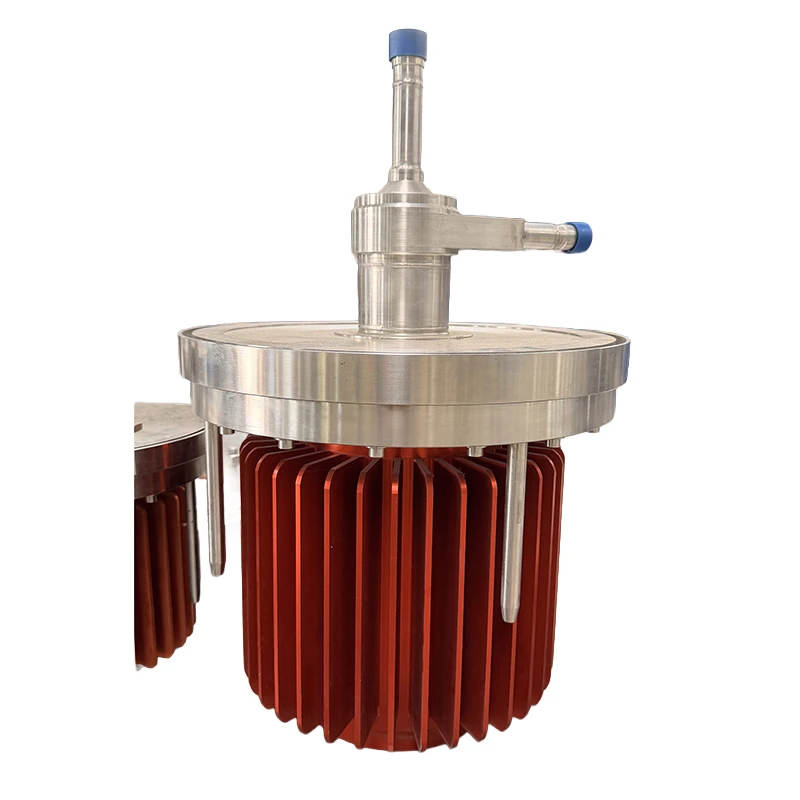
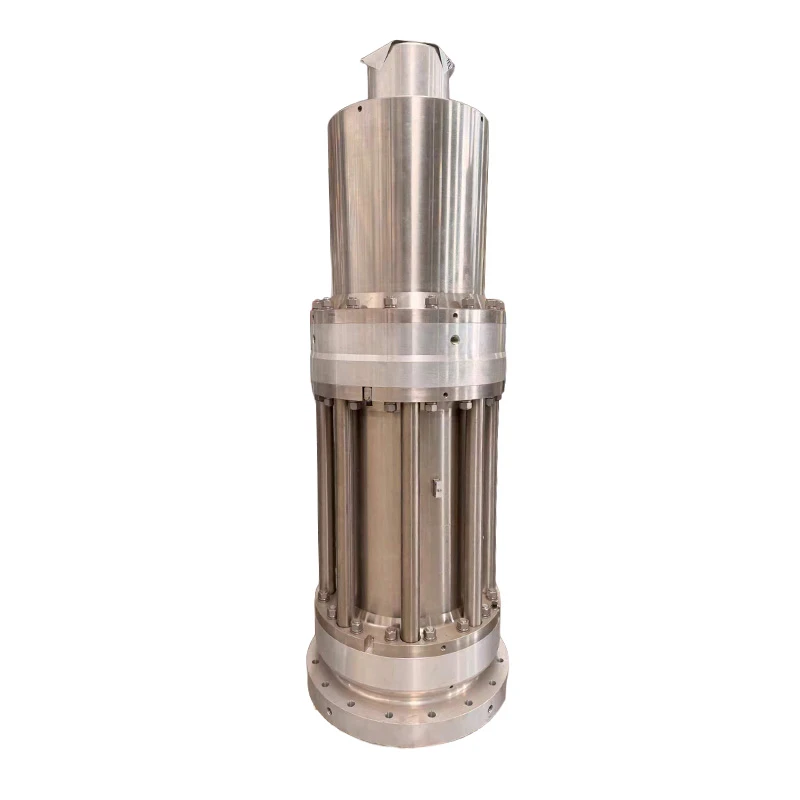
Then there’s safety certifications for the electrical components, because ammonia is flammable. If your pump is indoors or in a confined space, you can’t have electrical parts that spark. So you need ATEX or IECEx certifications. ATEX is for the EU market, IECEx is the global standard that many countries adopt now. Both certify that the pump’s motor, wiring, and control panels are explosion-proof in hazardous (Class I, Division 1 or 2, Group B) locations—since ammonia is a Group B flammable gas. I know some suppliers try to pass off general explosion-proof pumps as ammonia-rated, but you need the specific Group B certification here. That’s a big difference—Group A is for acetylene, Group C is for hydrogen, so make sure it’s Group B for ammonia. We make sure all our Liquid Ammonia Filling Pump units have either ATEX or IECEx, depending on where our customer is located.
Wait, what about if you’re outside the US and EU? There’s the CSA certification for Canada, right? CSA Group tests equipment for safety in North America too, and it’s recognized in a lot of countries. Also, if you’re in Asia, the China Compulsory Certification (CCC) is required for equipment sold there. So it’s not just one-size-fits-all—you need to match the certification to your region. That’s why we ask customers about their location first when they reach out, so we can make sure the pump we send has the right certifications for their area. No point in getting an ATEX pump if you’re operating in China, you need CCC, and vice versa.
Another thing: leakage performance. Ammonia is toxic, so even small leaks are a big deal. The ISO 15848 standard for sealing systems is important here. ISO 15848 certifies that the pump’s seals (like mechanical seals or packing glands) can hold up to ammonia without leaking, even under different temperatures and pressures. There are different classes for leakage rates—Class AH is the lowest, meaning almost no leakage, which is what you want for ammonia applications. A lot of pumps just have basic seal certifications, but ISO 15848 is specifically for toxic gases, so it’s a must-have. We test all our ammonia pumps to ISO 15848 Class AH, so you can trust those seals aren’t going to let ammonia escape.
Wait, let’s compare this to other specialty pumps I supply, like Liquid Hydrogen Filling Pump or LNG Filling Pump. Yeah, those have their own certifications—hydrogen needs to handle cryogenic temps and high pressure, LNG needs cryo material certifications—but ammonia’s certifications are a mix of pressure, corrosion, explosion protection, and leak performance. It’s a unique set because ammonia hits so many different hazard categories. You can’t use the same pump for hydrogen and ammonia, and you definitely can’t use an LNG pump for ammonia. That’s why getting the right certifications is non-negotiable—each chemical has its own risks.
I should also mention third-party testing. All these certifications aren’t just self-reported by the supplier—they have to be tested by an independent, accredited body. So when you’re shopping for a liquid ammonia filling pump, don’t just take the supplier’s word for it—ask for copies of the certification documents. Look for the mark on the pump too, like the ASME U Stamp, ATEX marking, or ISO 15848 label. If a supplier can’t produce those, walk away. I’ve had customers ask me before if they can skip a certification to save money, and I always tell them it’s not worth it. The fines for running uncertified equipment are way higher, and if something goes wrong, you’re liable.
What about maintenance certifications? Wait, no, that’s more for your team, not the pump itself. But the pump needs to be designed for easy maintenance without compromising safety, but that’s not a certification. The certifications are all about design, manufacturing, and testing. Oh, and maybe pressure vessel testing—if the pump has a pressure casing, it needs to pass hydrostatic testing to make sure it can hold pressure without bursting. That’s usually part of the ASME certification, but it’s good to confirm.
Let’s talk about a common mistake I see: people mixing up ammonia and anhydrous ammonia. Wait, that’s the same thing, right? Yeah, sometimes people say anhydrous, sometimes liquid ammonia, but it’s the same stuff. The certifications apply to both. Another mistake is using a pump that’s certified for water but modified for ammonia. Modifying a pump after it’s certified voids the certification, so if you need to make any changes, you have to get it re-certified by a third party. Don’t try to do it yourself—just buy a pump that’s already certified for ammonia, that’s what we do.
At the end of the day, the certifications aren’t just red tape. They’re proof that the pump has been tested to handle the specific hazards of liquid ammonia, so you can run your operation safely and legally. When I supply a Liquid Ammonia Filling Pump, I include all the relevant certification documents, so our customers don’t have to chase them down. We also offer support if you need help understanding what certifications apply to your specific use case or location.
If you’re in the market for a reliable, certified liquid ammonia filling pump, don’t waste time with suppliers who cut corners on certifications. Hit us up to chat about your needs—we can walk you through the options, make sure you get exactly what you need, no hidden fees, no uncertified gear. Whether you’re a small farm supply operation or a large chemical plant, we’ve got you covered with pumps that meet all the necessary standards.
References
- ASME B73.1-2020: Specification for Horizontal End Suction Centrifugal Pumps for Chemical Process
- NACE MR0175/ISO 15156-3: Materials for Use in H2S-Containing Environments in Oil and Gas Production
- ISO 15848-1:2015: Industrial valves—Measurement, test and qualification procedures for fugitive emissions—Part 1: Classification system and qualification procedures for type testing
- ATEX Directive 2014/34/EU: Equipment and protective systems intended for use in potentially explosive atmospheres
- IECEx Scheme: Global Certification for Equipment in Explosive Atmospheres