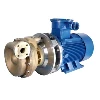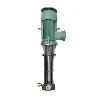
A filling pump is a device used for the transfer and dispensing of liquids, primarily serving to move liquid from a storage container to a point of use. During operation, a motor drives internal components-such as gears or impellers-to create a pressure differential within the pump body, allowing liquid to enter smoothly and discharge through the outlet. Compared to manual pouring, filling pumps provide a continuous transfer process, which can enhance operational efficiency.
A key characteristic of filling pumps is the stability of the dispensing process, with flow rates and pressures adjustable to meet specific requirements. Different models offer varying transfer capacities, allowing users to select the right pump based on the type of liquid, transfer distance, and equipment specifications. In applications requiring precise dispensing volumes, the pump can be integrated with flow meters and valves to control transfer speed and quantity, thereby minimizing overfilling or underfilling.
Filling pumps typically consist of a motor, pump body, drive shaft, bearings, seals, and inlet/outlet piping; they feature a compact design and are easy to operate. Some smaller models are designed to be portable, allowing them to be moved to different locations as needed. Because internal components move continuously during operation, the pump requires effective sealing and wear-resistant parts. Issues such as seal degradation or the accumulation of impurities inside the pump can impair its normal function.
Filling pumps have a wide range of applications, including the transfer of lubricating oil, hydraulic fluid, fuel, water, and other liquids; however, the specific pump model must be selected based on the properties of the medium being handled. Routine inspection and maintenance are essential-such as checking for secure pipe connections, clogged filters, or damaged seals. Maintaining the equipment in good working order ensures a smooth dispensing process and helps prevent equipment failures and liquid leaks.