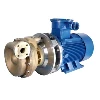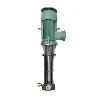
High-pressure pump specifications are primarily determined by parameters such as flow rate, pressure, power, and inlet/outlet dimensions; specifications vary depending on the intended application. Common specification parameters include rated flow rate, rated pressure, maximum operating pressure, rotational speed, motor power, pump model, and connection dimensions. Among these, flow rate and pressure are particularly critical: flow rate determines the volume of liquid transported per unit of time, while pressure determines the liquid's ability to overcome pipeline resistance and lift height.
Flow rate specifications for high-pressure pumps are selected based on operational requirements. For instance, small-scale equipment might require a flow rate of only a few liters per minute, whereas large industrial equipment may require tens or even hundreds of liters per minute. Regarding pressure, there is significant variation across models; standard industrial high-pressure pumps typically handle operating pressures ranging from a few megapascals to several tens of megapascals, with specialized equipment capable of reaching even higher pressures. Therefore, specification selection must align with actual operating conditions rather than simply aiming for the highest possible pressure or flow rate.
Motor power is another crucial specification, directly related to the pump's flow rate, pressure, and operating efficiency. High-power motors are generally required when the pump must deliver high flow rates while maintaining high pressure. Rotational speed also influences performance; changes in speed typically result in corresponding changes to flow rate and pressure. Additionally, inlet and outlet dimensions must match the on-site piping; mismatches can increase pipeline resistance and impair the pump's normal operation.
Selection also requires consideration of factors such as the type of pumped medium, temperature, viscosity, and the operating environment. For example, pumping ordinary fresh water versus corrosive chemical liquids imposes different material requirements for the pump body and internal components. In summary, high-pressure pump specifications should be determined through a comprehensive assessment of actual operating conditions-including required flow rate, operating pressure, motor power, connection dimensions, and the nature of the medium. Selecting the appropriate specifications not only meets production needs but also prevents prolonged operation under low-load or overload conditions, thereby reducing energy consumption and the risk of equipment failure.