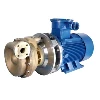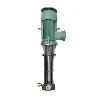
The technical specifications of a filling pump define its operational capabilities and scope of application; these are key factors to consider when selecting and using the equipment. Common specifications include rated flow rate, operating pressure, rotational speed, power, compatible media, inlet/outlet dimensions, and operating temperature range. The rated flow rate indicates the volume of liquid the pump can deliver per unit of time under normal operating conditions, typically expressed in liters per minute or liters per hour. Since the flow rate directly impacts filling efficiency, the pump should be selected based on the required filling volume.
Operating pressure is another critical parameter, representing the pressure range the pump can generate during operation. Pressure requirements depend on factors such as delivery distance, pipeline length, flow resistance, and the elevation of the equipment. Insufficient pressure may prevent the liquid from reaching the target location, while excessive pressure could damage pipelines or the equipment itself. Therefore, the pump must be matched to the specific pressure requirements of the system. Additionally, motor power and rotational speed influence delivery capacity; higher-power units can generally handle higher flow rates or pressures.
Beyond flow rate and pressure, the type of medium the pump is designed to handle is a crucial consideration. Pumps with different materials and designs are suited to different liquids; for instance, some are intended for lubricating oils and hydraulic fluids, while others handle water, fuel, or specialized media. Factors such as liquid viscosity, temperature, and corrosiveness affect pump performance, so selection should not rely solely on flow and pressure but must also account for the specific properties of the medium. Furthermore, inlet and outlet dimensions must match the connecting piping to ensure proper installation and operation.
Other important parameters include operating temperature, mode of operation, and protection rating. The operating temperature range determines the environmental and fluid temperatures the equipment can withstand, while the protection rating indicates the motor and electrical components' resistance to dust and water ingress. Requirements vary by operating environment; for example, equipment with superior protection ratings is necessary for outdoor use or in dusty conditions. A comprehensive evaluation of these technical specifications allows for the selection of a pump that best meets operational needs, ensuring stable performance and minimizing the risk of malfunctions during use.