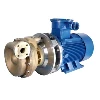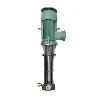
Proper preparations must be made before transporting high-pressure pumps. First, the equipment should be inspected and secured to prevent collisions or the loosening of parts during transit. If the pump has been previously used, the liquid inside the pump body and piping must be drained completely; cleaning and drying may be necessary to prevent leakage of residual media during transport. Connection points, such as inlet and outlet ports, should be sealed to prevent dust, debris, and moisture from entering the pump. Moisture-proofing measures should also be applied to components such as the motor and electrical control box.
During loading and handling, appropriate lifting equipment should be selected based on the pump's weight and structure. Lifting must be performed using the designated lifting points or lugs; pulling on components like the motor, piping, or valves to bear the load is strictly prohibited. Once placed on the transport vehicle, the equipment must be secured using steel cables, straps, or other reliable methods to prevent shifting during acceleration, braking, or turning. For heavy pumps, the load must be distributed properly to ensure vehicle stability.
Routes with good road conditions should be chosen whenever possible to minimize the impact of severe jolts or shocks on the equipment. Rain and dust protection measures may be applied to the pump's exterior depending on the transport distance and weather, but adequate ventilation must be maintained to prevent moisture accumulation inside the packaging. If the equipment includes precision instruments, pressure gauges, or electrical components, these require individual protection against impact. For long-distance transport, the securing arrangements should be checked periodically, and any loosening addressed promptly.
Upon arrival at the destination, the equipment should not be put into immediate operation; instead, its exterior and connection points must be inspected for damage sustained during transit. Check the pump body for deformation, cracks, or corrosion, and verify that inlets, outlets, and piping are free of obstructions. Additionally, inspect the condition of the motor, bearings, seals, and instruments. If the equipment has undergone prolonged transport, necessary lubrication and test runs should be performed in accordance with operational requirements. Formal operation should only commence after confirming that parameters such as pressure, flow rate, vibration, and noise levels are within normal ranges. Proper packaging, handling, securing, and inspection during transport minimize the risk of damage and ensure the high-pressure pump arrives safely at its destination.