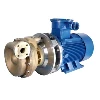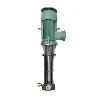
When selecting a centrifugal pump, the first step is to determine the required flow rate and head based on actual operational needs; these are the two most critical parameters for pump selection. Flow rate is primarily determined by the volume of liquid that must be transported per unit of time during the production process, while the required head is calculated by considering factors such as lifting height, pipeline length, the number of elbows, and pipeline resistance. Relying solely on a pump's maximum flow rate or maximum head without considering actual operating conditions can lead to selecting a pump that is either oversized or undersized. Therefore, it is advisable to establish the equipment's normal operating flow rate and the required head range before making a purchase.
Next, the appropriate centrifugal pump must be selected based on the medium being transported. Different liquids impose varying requirements on pump materials and construction; for instance, standard cast iron or stainless steel pumps are suitable for ordinary clean water, whereas corrosive chemical liquids require pumps made from corrosion-resistant materials. If the liquid temperature is high, the pump's temperature tolerance must be verified; for liquids containing particulates or impurities, the wear resistance of the impeller and pump casing must be considered. Liquid viscosity is another important factor, as variations in viscosity can affect the pump's actual flow rate and efficiency.
Motor power, rotational speed, and pump efficiency are also key parameters to consider. Motor power should match the centrifugal pump's actual load; insufficient power may fail to meet operational requirements, while excessive power leads to unnecessary energy waste. For equipment intended for long-term continuous operation, prioritizing high-efficiency models can reduce future electricity and maintenance costs. Additionally, the pump's inlet and outlet dimensions should be checked for compatibility with existing piping to avoid extensive modifications during installation.
Before purchasing, review the product's technical specifications, performance curves, inspection records, and relevant standards to ensure that parameters such as flow rate, head, and power meet actual requirements. For critical equipment intended for long-term use, consider the ease of replacing or repairing wear parts-such as bearings, mechanical seals, and impellers-and whether the manufacturer offers timely technical support. In summary, selecting a centrifugal pump requires a comprehensive evaluation rather than a focus on price alone; factors such as flow rate, head, medium, power, efficiency, materials, reliability, and maintenance costs should all be weighed to choose a product that matches actual operating conditions, thereby ensuring stable long-term operation and minimizing usage costs.