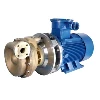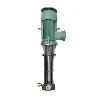
Before starting a high-pressure pump, conduct a comprehensive inspection to ensure the equipment is in proper working order. First, verify the integrity of the pump casing, piping, valves, and all connections, checking for water or oil leaks and other irregularities. Check the lubricating oil level and the condition of the motor and electrical wiring; also, confirm that safety valves, pressure gauges, and other protective or monitoring devices are functioning correctly. Ensure the inlet piping is unobstructed and the pump casing is fully primed with the pumped medium; never start the pump dry, as this can damage internal components.
Follow the prescribed startup sequence: first, confirm that all relevant valves are correctly positioned, then start the motor. Do not subject the equipment to heavy loads immediately upon startup; instead, observe the pump's operation and ensure there is no abnormal vibration, noise, or leakage before gradually adjusting it to normal operating conditions. During operation, monitor parameters such as pressure, flow rate, and motor current to ensure they remain within specified limits. If a sudden rise in discharge pressure, a significant drop in flow rate, or excessive motor load occurs, investigate the cause immediately rather than forcing continued operation.
During normal operation, keep the discharge piping unobstructed and avoid arbitrarily closing the discharge valve or altering critical operating parameters. Due to the high operating pressures involved-which place significant stress on piping and equipment-operators must not stand directly in front of high-pressure lines, flanges, or fittings to prevent injury in the event of a leak or pipe failure. For pumps handling high-temperature, toxic, flammable, or corrosive media, implement appropriate protective measures and regularly inspect seals and piping conditions.
Follow the prescribed shutdown sequence to avoid the shock loads that sudden shutdowns can cause to equipment and piping. Typically, gradually reduce the load according to process requirements, stop the motor, and then close the relevant valves. After shutdown, inspect the pump casing, piping, and connections for leaks, and perform necessary cleaning and record-keeping. If maintenance or disassembly is required, the power supply must be disconnected, and internal pressure within the pump and piping must be fully relieved before proceeding. Standardized procedures for startup, operation, shutdown, and maintenance ensure the stable operation of high-pressure pumps and reduce the incidence of equipment failures and safety accidents.