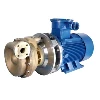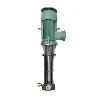
The defining characteristic of a reciprocating pump is its ability to generate high pressure while maintaining effective pumping performance under such conditions. It operates primarily by using the reciprocating motion of a piston or plunger to alter the volume of the pump chamber, thereby drawing in and discharging liquid. Consequently, reciprocating pumps are well-suited for applications requiring high-pressure fluid transfer, such as high-pressure cleaning, boiler feed systems, petrochemical processing, and hydraulic equipment. Compared to standard centrifugal pumps, reciprocating pumps offer distinct advantages in high-pressure, low-flow operating environments.
Flow rates in reciprocating pumps are easily controlled; output can be adjusted by varying the speed or stroke length of the piston or plunger, or by changing the number of active cylinders. They are ideal for applications requiring precise dosing or metered fluid transfer. Furthermore, reciprocating pumps are highly adaptable to various media; with the correct choice of pump model and materials, they can handle water, oil, and fluids with specific viscosities or unique properties. However, specific selection must always take into account the medium's temperature, viscosity, and corrosiveness.
Because they rely on the reciprocating motion of a piston or plunger, these pumps inherently generate some degree of flow pulsation and mechanical vibration during operation. In single-cylinder models, fluid discharge is not perfectly continuous, often necessitating the installation of devices such as air chambers or pulsation dampeners to mitigate pressure fluctuations. Additionally, components such as pistons, plungers, valves, and seals are subject to wear over time and require regular inspection and maintenance. Damage to sealing components can lead to fluid leakage, potentially disrupting normal equipment operation.
Reciprocating pumps offer high pressure, adjustable flow rates, precise metering capabilities, and broad applicability, though they also present challenges such as flow pulsation, noticeable vibration, and higher maintenance requirements. When selecting and using these pumps, the appropriate model should be determined based on factors such as operating pressure, flow rate, the medium being pumped, and the operating environment. With proper selection and routine maintenance, reciprocating pumps can deliver stable, reliable performance in high-pressure fluid transfer and precision dosing applications.