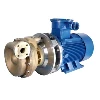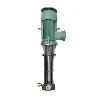
The primary function of a filling pump is to transfer liquid from a storage container to designated equipment, piping, or operating systems. During this process, it generates the necessary pressure and flow rate to ensure the liquid is filled in the required direction and at the specified speed. These pumps are widely used for transferring fuels, lubricants, hydraulic fluids, water, and other liquid media. Compared to manual filling methods, filling pumps enhance operational efficiency, reduce manual labor, and ensure greater stability throughout the filling process.
1. Liquid Transfer Function
The fundamental function of a filling pump is to draw in and transfer liquid. Upon startup, the motor drives internal components-such as impellers, gears, or plungers-creating a pressure differential within the pump body. Driven by this pressure difference, liquid flows from the storage tank or container into the pump, is pressurized, discharged through the outlet, and conveyed via piping to the target location. This mechanism enables liquid transfer over long distances or to elevated positions.
2. Pressurization Function
During actual filling operations, the liquid must overcome pipeline resistance and potential elevation differences; relying solely on gravity is often insufficient. Filling pumps impart energy to the liquid through the movement of internal components, generating the pressure required for the liquid to successfully enter the target equipment. Different pump models offer varying pressure ranges, necessitating the selection of equipment suited to specific operating conditions.
3. Filling Flow Control
Filling pumps also allow for the control of filling speed. The volume of liquid transferred per unit of time can be adjusted by varying motor speed, valve openings, or utilizing flow control devices. For applications requiring high precision, flow meters or automated control systems may be installed to monitor the filling volume in real-time. Once the preset volume is reached, the system halts the process, thereby minimizing issues such as overfilling or underfilling.
4. Enhanced Filling Efficiency
Utilizing a filling pump significantly boosts the efficiency of liquid filling operations. Traditional manual filling typically involves transporting and pouring from containers, a process that is not only slow but also prone to spills and leakage. Using a dispensing pump requires only the connection of suction and delivery lines to enable continuous dispensing, making it particularly suitable for applications involving frequent dispensing or large volumes. It also helps reduce the physical strain on personnel.
5. Minimizing Liquid Spillage
Dispensing pumps typically utilize a relatively enclosed piping system to transfer liquid directly from the storage container to the target equipment, thereby reducing spills associated with manual handling and pouring. For fuels, lubricants, and corrosive liquids, minimizing leakage not only conserves the medium but also mitigates adverse effects on equipment, the environment, and operators.
6. Protecting and Stabilizing System Operation
Some dispensing pumps incorporate features such as pressure control, filtration, and safety protection. Filtration units prevent impurities from entering the pump and operating system, pressure control mechanisms prevent excessive system pressure, and overload protection functions automatically halt operation in the event of equipment anomalies. These features enhance the stability of the dispensing system and extend the service life of the pump and associated equipment.