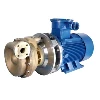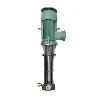
The material selection for filling pumps depends primarily on the medium being conveyed, operating pressure, temperature, and the application environment. Common materials include cast iron, carbon steel, stainless steel, aluminum alloys, and engineering plastics. Pump casings generally require a certain level of strength and wear resistance, as they must withstand both fluid pressure and the mechanical forces exerted by internal components during operation. For media such as standard lubricating oils or hydraulic fluids, filling pumps are often made of cast iron or carbon steel; these materials offer a balance of low cost and high strength, making them suitable for general operating environments.
Stainless steel is another common material for filling pumps, particularly in applications requiring high corrosion resistance. Thanks to its excellent resistance to corrosion and relative immunity to moisture and certain chemical agents, stainless steel is ideal for handling chemicals, food products, and specialized fluids. However, performance characteristics vary among different grades of stainless steel; the specific material must be chosen based on the fluid's corrosiveness and the operating temperature, as not all stainless steel types are suitable for every medium.
Internal moving parts-such as gears, impellers, and shafts-are typically made from high-strength, wear-resistant metals. Some components undergo heat treatment or surface treatment to minimize wear caused by prolonged operation. Sealing components differ from the pump casing material; common choices include rubber, polyurethane, and other oil- and heat-resistant materials. Although small in size, seals are critical to the pump's proper functioning; improper material selection can lead to aging or deformation after prolonged contact with oils or other media, potentially resulting in leaks.
In addition to metals, some small filling pumps utilize engineering plastics for casings, pipe fittings, and other auxiliary components. These materials are lightweight and offer a degree of corrosion resistance, helping to reduce both the equipment's overall weight and manufacturing costs. In summary, the material composition of a filling pump is not fixed but is selected based on actual operating conditions. Choosing the right material enhances the pump's wear resistance, corrosion resistance, and sealing performance, ultimately extending the equipment's service life.